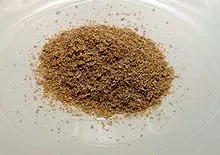
Sometimes the most ordinary things turn out to be the most useful. Wheat bran, known as chokar in most Indian homes, is the part of the wheat grain that often gets sieved out of atta and thrown away. It is cheap and full of fibre, and it is easy to add to food you already eat.
Wheat bran at a glance
- What it is: the hard outer layer of the wheat grain
- Main benefit: very high in insoluble fibre, which helps with regular bowel movements and constipation
- How much: start with 1–2 teaspoons a day and increase slowly to 1–2 tablespoons
- Easiest way to eat it: mix it into your atta for rotis, or add it to dalia, oats or curd
- Drink more water when you eat more bran
- Avoid it if: you have celiac disease or a wheat allergy
What is wheat bran (chokar)?
A wheat grain has three parts: the bran (outer layer), the germ and the endosperm. Maida is made only from the endosperm. Whole wheat atta should contain all three, but a lot of the bran is lost when atta is finely milled or sieved at home. That sieved-out layer is chokar.
Per 100 g, raw wheat bran has roughly:
| Nutrient | Amount (approx.) |
|---|---|
| Energy | 216 kcal |
| Dietary fibre | 43 g |
| Protein | 15.6 g |
| Fat | 4.3 g |
Source: USDA FoodData Central (wheat bran, crude).
It also has B vitamins, iron, magnesium and zinc. You eat it in small amounts, though, so the fibre is the main reason to eat it.
Benefits of wheat bran
1. Helps with constipation and regular bowel movements
This is the best-supported benefit. The fibre in wheat bran adds bulk to stool and helps food move through the gut faster. The European Food Safety Authority (EFSA) accepts this claim for wheat bran fibre. The effect is seen at about 10 g of wheat bran fibre a day, which is roughly 25 g (about 3–4 tablespoons) of plain bran.
2. Keeps you full for longer
High-fibre food takes longer to eat and is more filling, so a bran-rich roti or breakfast can keep hunger away for longer. This can help if you are trying to eat less. But bran on its own will not “reduce fat”.
3. Part of a diet that is good for blood sugar
Whole grains and fibre are recommended for people with diabetes because they help slow down the rise in blood sugar after a meal. Adding chokar to atta makes your rotis closer to true whole wheat. It is not a treatment for diabetes, and it does not replace medicine. Talk to your doctor before making big changes to your diet.
4. Good for overall gut health
Diets high in fibre from whole grains are linked with better gut health and a lower risk of some long-term diseases. Wheat bran is one easy way to get more fibre into an Indian diet that is often low in it.
How to eat wheat bran (chokar)
Start small. If you suddenly eat a lot of bran, you may get gas and bloating. Begin with a teaspoon a day for a week, and increase slowly.
- In rotis and parathas: mix about 100 g of chokar into 1 kg of atta (about 10%). You will hardly notice the difference in taste. Chew well and eat slowly.
- In dalia, oats or poha: add 1–2 tablespoons while cooking.
- On curd or fruit: sprinkle a spoonful over curd, raita or a fruit bowl for some crunch.
- In baking: add a quarter cup to bread, pizza or muffin dough, or grind it fine and add it to biscuits.
- In cheela and tikki: mix it into besan cheela batter or use it in place of breadcrumbs in cutlets and tikkis.
Drink enough water. Fibre needs water to work. Without enough water, more bran can make constipation worse, not better.
Who should be careful with wheat bran?
- People with celiac disease, gluten intolerance or wheat allergy should avoid it. Wheat bran contains gluten.
- People with IBS may find that wheat bran causes bloating or pain. Try a small amount first, or ask your doctor.
- People who take iron, calcium or other mineral supplements: bran contains phytates, which can reduce how much of these minerals your body absorbs. Take supplements a couple of hours apart from bran-heavy meals.
- Young children need fibre, but in moderation. Whole grains, dal, fruit and vegetables are a better source for them than spoonfuls of plain bran.
How to store wheat bran
Wheat bran contains some oil, so it goes rancid faster than atta. Store it in an airtight container in a cool, dry place, and keep it in the fridge if you buy a large pack. If it smells stale or tastes bitter, throw it away.
Where to buy wheat bran
Your local atta chakki (flour mill) will often give you chokar for very little, or for free. Packaged wheat bran is also sold in supermarkets, organic stores and online grocery apps.
Frequently asked questions
Is chokar good for constipation? Yes. This is its best-known benefit. Start with a small amount, increase slowly, and drink plenty of water.
How much wheat bran should I eat in a day? Start with 1–2 teaspoons and work up to 1–2 tablespoons. About 25 g of bran gives roughly 10 g of fibre, the amount linked with better bowel movements.
Can I mix chokar in atta? Yes. About 100 g of chokar per kg of atta works well for rotis and parathas.
Is wheat bran good for diabetes? It can be part of a diabetes-friendly diet because it adds fibre, but it is not a cure. Follow your doctor’s advice.
Is wheat bran gluten-free? No. It comes from wheat and contains gluten.